Word of the Day, November 16: ‘Ogre’
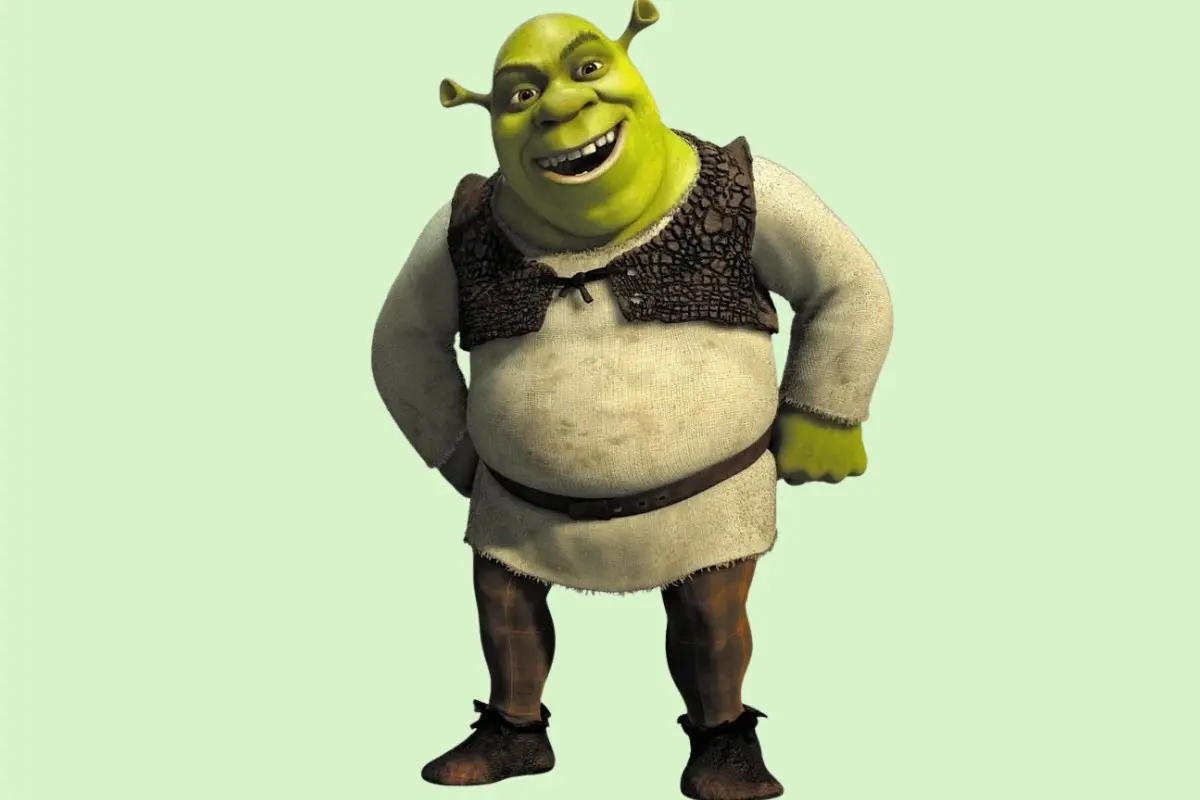
Word of the Day: OGRE
Pronunciation: OH-gur
UK /ˈəʊ.ɡə(r)/
US /ˈoʊ.ɡər/
Meaning
Ogre is a noun that refers to a large, frightening and usually cruel imaginary creature found in fairy tales and folklore. Ogres are traditionally portrayed as monstrous giants who eat human beings, particularly children.
Examples in everyday sentences
- The children were frightened by the ogre in the bedtime story.
- Behind his intimidating appearance, the old man was nothing like the ogre everyone imagined him to be.
- The strict headmaster was considered an ogre by his students.
- The fairy tale tells the story of a young boy who escapes from the clutches of a hungry ogre.
Origin and history
The word ogre comes from the French ogre, which appeared in the fairy tales of French writer Charles Perrault in the late 17th century. His collection Histoires ou contes du temps passé (Stories or Tales from Times Past), published in 1697, helped introduce the creature to European readers.
The word is generally believed to have connections with the Italian orco, meaning a monster or demon, and the Latin Orcus, associated with the underworld and the god of the dead.
The word entered English in the early 18th century. Its earliest recorded English form was hogre, which appeared in a 1713 translation of a French version of The Arabian Nights. Over time, the spelling became ogre, and the word came to describe both the mythical creature and, figuratively, a frightening or cruel person.
Also Read: Word of the Day, November 14: ‘Malapropism’
Cultural significance and modern usage
Ogres have been part of fairy tales and folklore for centuries. They are often portrayed as powerful, greedy and frightening creatures who threaten the safety of ordinary people. Stories featuring ogres frequently revolve around a hero or a clever character finding a way to outwit them.
One of the best-known literary examples is the ogre in Charles Perrault's Puss in Boots, where the creature has the ability to transform himself into different animals. Ogres also appear in traditional tales such as Jack and the Beanstalk.
In modern popular culture, the word became familiar to a new generation through the animated film franchise ‘Shrek’. Its central character is an ogre who initially appears frightening but is shown to be kind, humorous and more sensitive than people expect.
Today, the word is also used informally to describe people who are harsh, intimidating or unpleasant.
Interesting facts
The female equivalent of an ogre is called an ogress.
Examples from literature
- “At last he came to a cave, at the mouth of which sat an ogre, uglier than anything you can conceive.” — The Ogre by Andrew Lang, in The Grey Fairy Book.
- “His schoolroom must have resembled an ogre's den.” — Life of Samuel Johnson by Thomas Babington Macaulay.
- “The Ogre received him as civilly as an Ogre can, and asked him to sit down.” — Puss in Boots by Charles Perrault
Synonyms
- Monster
- Giant
- Beast
Read more Word of the Day here.