Uncertain future for private engineering colleges in Kerala amid falling admissions
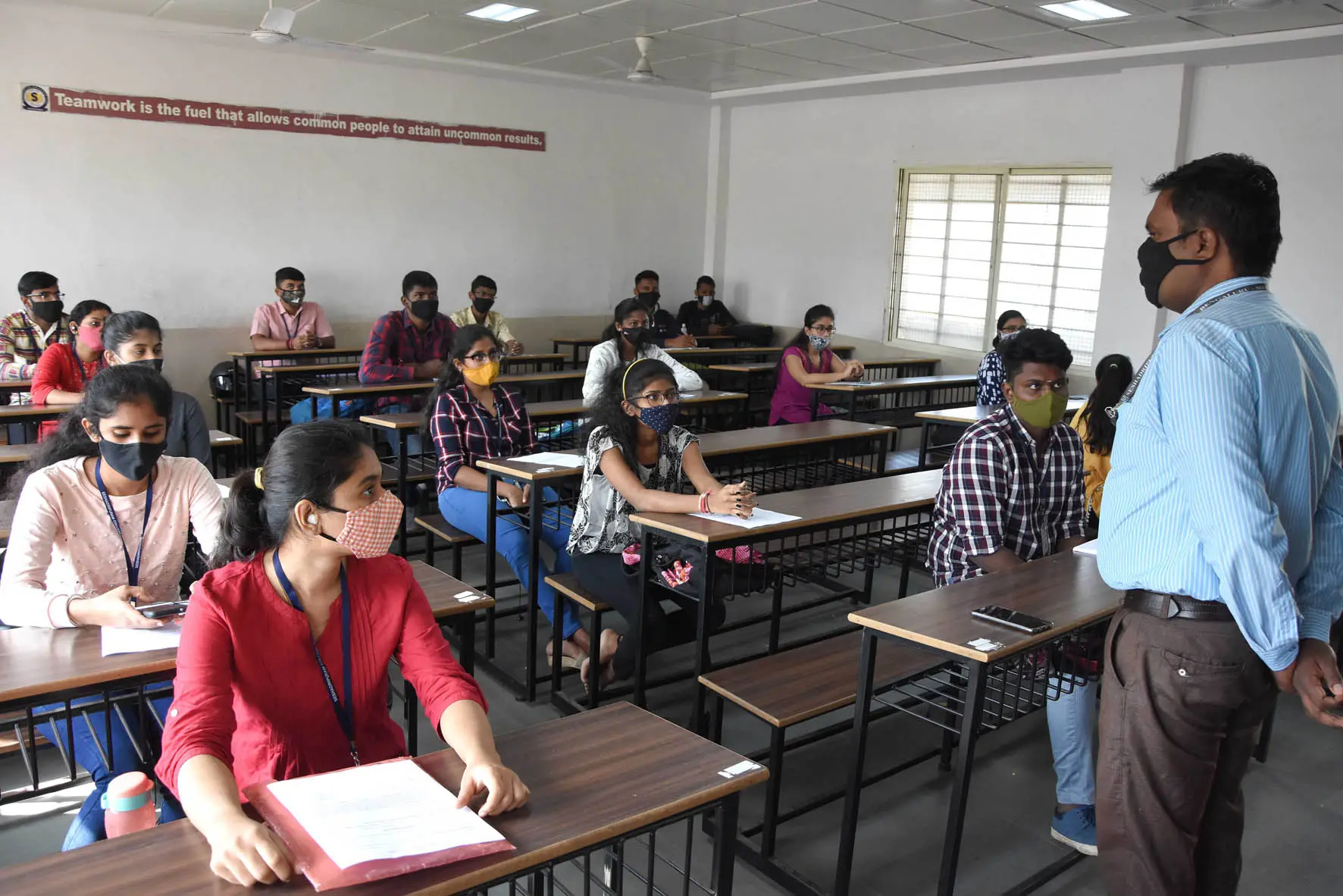
Thiruvananthapuram, Kerala: A private engineering college near Nedumangad in the district is reportedly preparing to shut down, sparking protests from students and parents. The college authorities assured that arrangements would be made for students to continue their studies without losing semesters. However, protesters demanded firm guarantees from the management. Following discussions with the local police, the protest ended with a commitment that the issue would be addressed by the college chairman.
However, this is not an isolated case. Many private engineering colleges across the state are facing similar crises. When private institutions were first allowed, numerous individuals, trusts, and organisations invested heavily in starting colleges.
During the peak years of engineering education, thousands graduated from these colleges, providing employment opportunities in urban and rural areas. However, with declining admissions, many institutions are now struggling financially. Some colleges had even been established on land bought in rural areas, employing hundreds of people over the years.
The current crisis is impacting not only college owners but also faculty and staff. A few months ago, a college owner in Karakulam, who had been running a successful institution, tragically committed suicide. Some institutions facing low engineering admissions have attempted to fill gaps by starting polytechnic courses on the same campus.
Why are admissions declining?
Although interest in engineering has declined in recent years, the 2024–25 academic year saw slightly higher enrollment, offering some relief. Colleges in the government, semi-government, and private sectors coexist in the state. The rise of new IITs has led to a decline in the number of students opting for private engineering colleges.
Even top colleges are seeing lower-ranked students compared to the past. Previously, students with entrance exam ranks up to 3,000 were admitted to leading institutions; now the cutoff has dropped to around 8,000. This shift has hit lower-tier private colleges the hardest.
Is AI affecting recruitment and career opportunities?
Changes in campus recruitment are also influencing student interest. According to a senior faculty member from a reputed engineering college, most campus placements are now focused on computer science branches.
The impact of AI on job markets has been significant. Entry-level jobs that once required human employees are increasingly being automated, affecting both B.Tech. and M.Tech graduates.
Private colleges are bearing the brunt of declining enrollments. For example, at a college in Thiruvananthapuram, the mechanical engineering branch, which had 60 seats, had only 10 students last year. This decline affects both college revenues and staff salaries, with some PhD-qualified teachers earning as little as ₹15,000 per month. More than five colleges in the district are reportedly facing severe financial stress.
Despite the challenges, some private colleges are managing to attract more students by introducing modern courses with updated labs and providing scholarships to high-performing students. College managements are hopeful that the rise in enrollment this year will help them return to stability, and they are preparing the necessary facilities to support incoming students.