NEET UG re-exam 2026: NTA introduces changes, but will it fix exam irregularities?
The National Testing Agency (NTA) has announced revised rules for the NEET UG re-examination scheduled on June 21, 2026, including a longer exam duration and changes in the question booklet format.
Key updates in exam structure
The exam duration has been extended to 195 minutes (2:00 pm to 5:15 pm), allowing candidates more time to complete the paper and administrative formalities. The question booklet will also now include additional rough work pages, increasing from two to four pages, with a revised placement to improve accessibility and usability.
According to the NTA, “This window is designed to accommodate the invigilation formalities at the start and end of the examination, such as the signing requirements, which candidates earlier felt reduced their effective working time.”
Along with the time extension, the NTA has doubled the rough-work pages in the question paper booklet from two to four. The revised format places these pages both at the beginning and end of the booklet, including in English and regional language versions, to make calculations and rough work more convenient, particularly for left-handed candidates.
The agency also stated, “Candidates may preferably use the rough-work pages provided at the beginning and at the end of the booklet for this purpose.”
NTA further said, “The booklet now offers rough-work space at both the front and the back, allowing every candidate to work comfortably, and is especially helpful for left-handed candidates, who account for nearly 10% of all candidates.”
The agency added that these measures are aimed at improving the overall examination experience while maintaining fairness, security and transparency in NEET UG 2026.
How will these changes help students?
The revised format is designed to reduce pressure during the exam. Extra time helps students avoid losing minutes to attendance checks and security procedures, while additional rough work space is especially useful for Physics and Chemistry calculations. The new layout also aims to improve comfort for candidates, including those who found the earlier format inconvenient.
For many students, these changes may improve exam experience by reducing stress and improving time management, especially in a high-pressure competitive exam like NEET UG.
Is this a remedy for irregularities like paper leaks and cancellations?
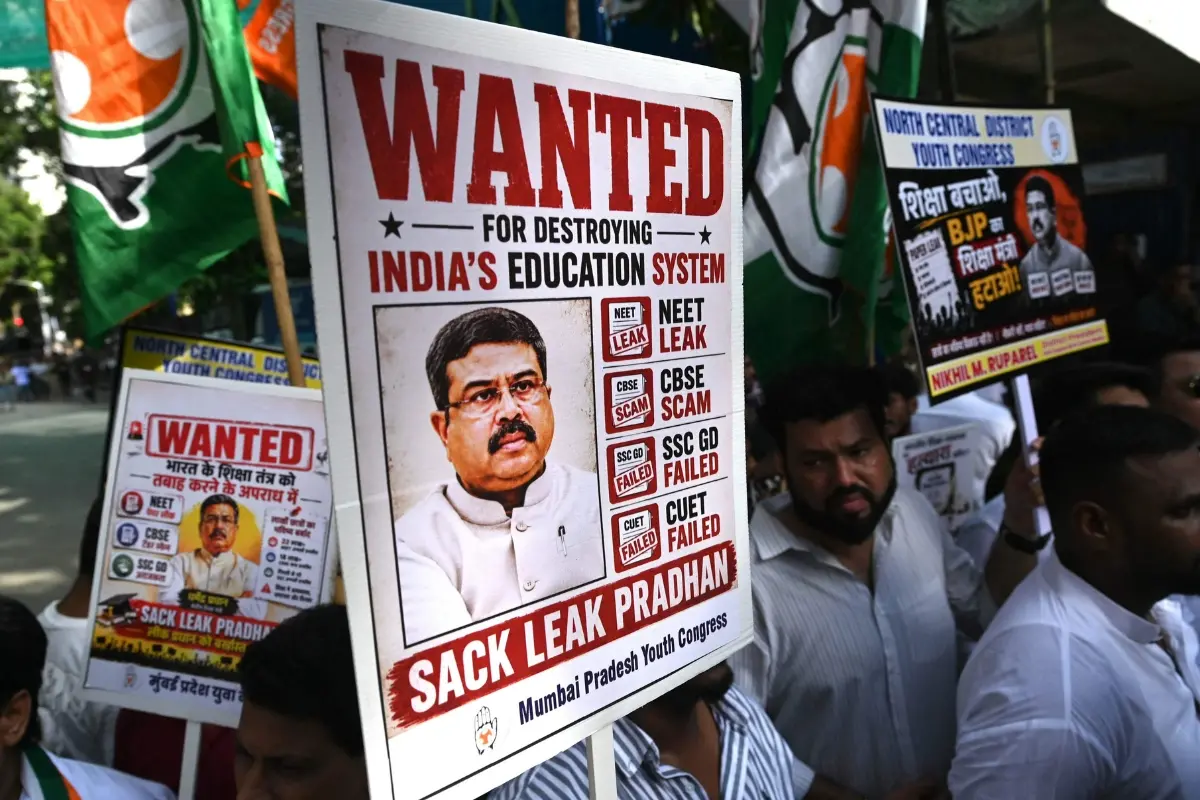
While the reforms may improve the exam-taking experience, they do not directly address the core concerns of irregularities such as paper leaks, exam cancellations, or systemic security failures.
Issues like paper leaks are linked to question paper security, distribution systems, and administrative control, which are separate from exam duration or booklet design. Similarly, cancellations usually depend on broader governance and enforcement mechanisms rather than candidate-facing adjustments.
Therefore, these changes are best seen as candidate-friendly improvements, not a complete solution to exam integrity challenges.
The NEET UG 2026 updates by NTA aim to make the exam smoother and less stressful for students. However, while they may improve fairness in terms of exam experience, they are not a full remedy for deeper issues like paper leaks or exam cancellations, which require stronger systemic and security reforms.