H-1B fee hike: How will the US move affect Indian students and workforce?
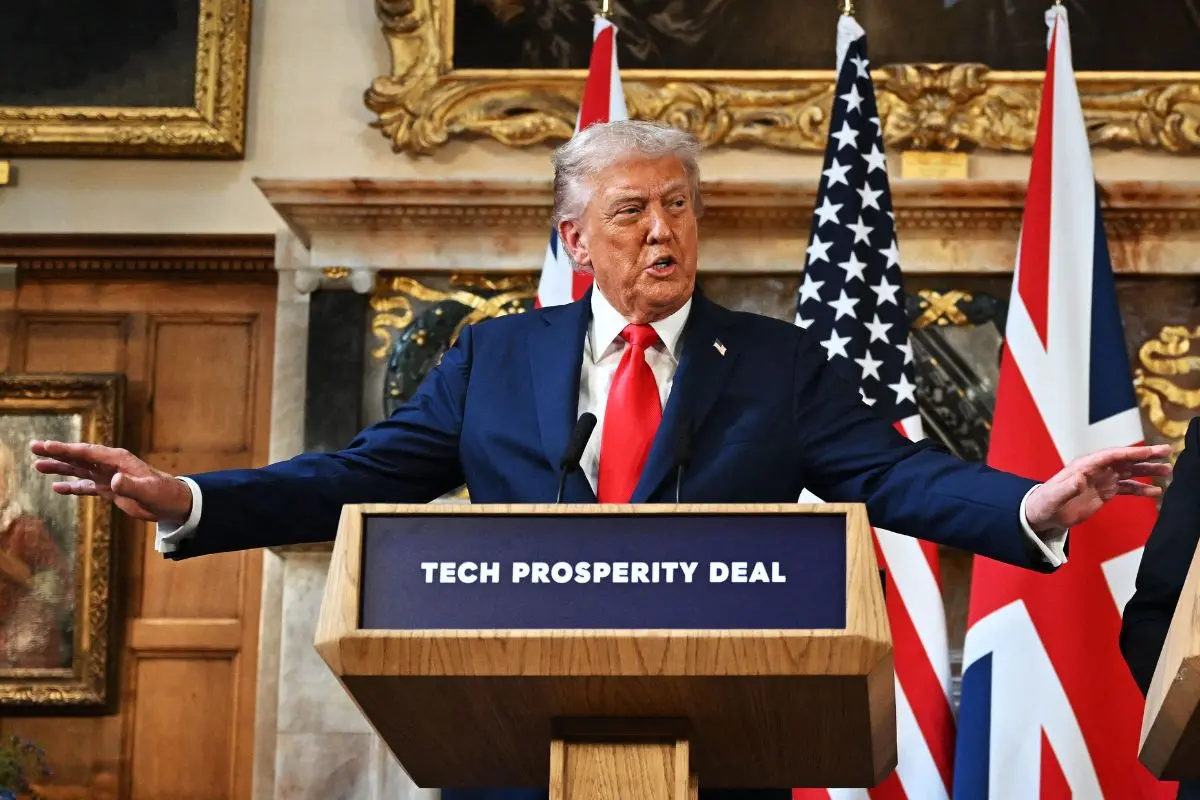
The United States has introduced a $100,000 annual fee for all H-1B visa petitions, covering both new applications and extensions. Employers are required to provide proof of payment during the visa process, or petitions may be rejected by the Department of State or the Department of Homeland Security. The rule also applies to applicants outside the US, with exceptions only in cases deemed to serve the national interest.
Rationale behind the policy
The move is aimed at preventing misuse of the H-1B programme and protecting American jobs. The US government has expressed concerns that foreign workers, particularly in the tech sector, are sometimes hired in place of domestic talent. Officials have highlighted that companies should focus on training recent US graduates rather than relying on foreign labour.
Impact on Indian professionals
Indians constitute the largest group of H-1B visa holders, accounting for 71% of approvals in recent years, followed by China at 11.7%. Many Indian workers are employed in IT, banking, consulting, and STEM fields, with median salaries of around $118,000. The new fee could make it difficult for mid-level professionals, entry-level employees, and recent graduates to afford working in the US.
Effect on employers and major US firms
Companies such as Amazon, Microsoft, Meta, and their subsidiaries employ thousands of H-1B workers. For example, Amazon and AWS alone received approval for over 12,000 H-1B visas in the first half of 2025. At $100,000 per year, retaining these workers could cost firms billions over a typical three-year visa term. Tech firms may consider moving high-value work overseas, potentially affecting US competitiveness in innovation-intensive sectors like artificial intelligence.
Legislative background
Ahead of this policy, Senator Jim Banks introduced the American Tech Workforce Act, proposing to raise the H-1B wage floor from $60,000 to $150,000, eliminate the Optional Practical Training (OPT) programme for foreign students, and replace the lottery system with one favouring the highest bidders.
Additional changes in US immigration
From October 2025, US citizenship applicants will face an expanded test, with 128 questions and a requirement to answer 12 out of 20 correctly. Background checks have been tightened, including assessments of moral character and neighbourhood interviews. A recent US State Department directive requires non-immigrant visa applicants (B1/B2, H-1B, O-1, F1) to apply only from their country of residence or citizenship.
Market reaction
Shares of IT companies relying heavily on H-1B talent, such as Cognizant, Infosys, and Wipro, fell between 2% and 5% following the announcement. Several major US tech, banking, and consulting firms declined to comment, while the Indian embassy in Washington and the Chinese Consulate General in New York did not respond immediately.
Economic and strategic implications for India
The increased H-1B visa fee and tightened US immigration policies pose significant challenges for India’s IT professionals and students. Reduced access to US jobs could limit career growth, restrict remittances, and reduce opportunities for cross-border skill exchange. Indian IT companies that depend on sending talent to the US may face decreased global placements, impacting revenues and growth prospects.
Expert perspectives
Industry experts warn that the fee hike may disrupt the talent pipeline that fuels both India’s IT sector and US tech innovation. Deedy Das, partner at Menlo Ventures, noted that higher costs could drive top talent to alternative countries. Analysts also suggest that offshoring may accelerate, with companies shifting projects abroad to avoid rising expenses.
Broader context
The H-1B visa programme remains a key route for skilled foreign workers to enter the US, with 85,000 visas issued annually through a lottery system. While temporary (valid up to six years), the visa often serves as a stepping stone to permanent residency. The new policy may slow or block this pathway for many, particularly young Indian professionals beginning their careers.
US lawmakers criticise visa fee as harmful to innovation
US lawmakers and community leaders have raised alarm over the move, calling it “reckless” and “unfortunate” and warning of a “huge negative” impact on the IT industry.
Congressman Raja Krishnamoorthi said Trump’s USD 100,000 H-1B visa fee is a “reckless attempt to cut America off from high-skilled workers who have long strengthened our workforce, fuelled innovation, and helped build industries that employ millions of Americans.”
He highlighted that many H-1B holders ultimately become US citizens and launch businesses creating well-paying jobs. “While other nations race to attract global talent, the United States should strengthen its workforce and modernise our immigration system—not erect barriers that weaken our economy and security,” Krishnamoorthi added.
Ajay Bhutoria, former advisor to President Joe Biden and Asian-American community leader on immigration policy, described the fee as “staggering” and warned of a potential crisis for the US technology sector's competitive edge.
“The H-1B programme, a lifeline for innovation that has attracted top talent from around the world, faces unprecedented barriers with this massive jump from the current USD 2000-USD 5000 total fee, which will crush small businesses and startups reliant on diverse talent,” Bhutoria said.
He added that the move will drive away skilled professionals who power Silicon Valley and contribute billions to the US economy. Bhutoria also cautioned that the policy may backfire by pushing talent to competitors like Canada or Europe, calling instead for “a balanced reform like exempting startups or prioritising merit-based selection instead of this extreme overhaul.”
Khanderao Kand of the Foundation for India and Indian Diaspora Studies called the USD 100,000 fee “a very unfortunate policy with huge negative impact on businesses, particularly software and tech industry as well as US-educated STEM talent who are already struggling due to negative impact of AI and tariffs.”