The 28-seater fortress: Inside India's new troop transporter
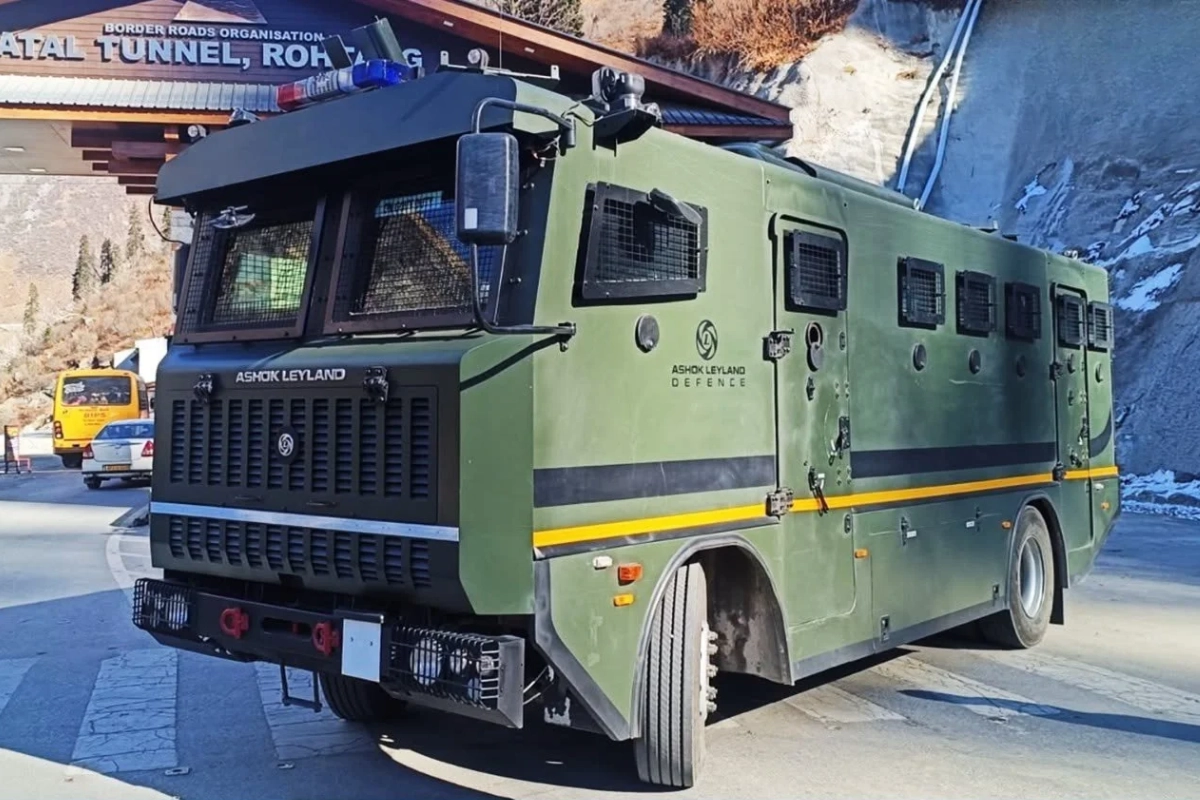
A few days ago, India flagged off its first indigenously designed, developed and manufactured bullet- and blast-protected 28-seater bus, marking a major upgrade in protected troop mobility for the country’s security forces.
The vehicle, called the Armoured Troop Transporter (ATT), was developed by Ashok Leyland. It is designed to carry security personnel through high-risk areas while offering protection against gunfire, blasts and harsh terrain.
The ATT is described as a unique, one-of-a-kind vehicle globally. It is CMVR-certified and comes equipped with a run-flat system, PTZ cameras, command and control systems, and 360-degree rotatable turrets with gun mounts.
A new class of protected mobility
Unlike a conventional troop bus, the ATT is built to withstand ballistic threats and blasts while carrying up to 28 personnel. It offers enhanced protection and climate control for troops operating in harsh terrains and challenging environments.
The vehicle is designed to give security forces a safer way to move personnel through areas where the risk of ambush, improvised explosive devices or hostile fire is high.
Its armoured construction provides ballistic, mine-blast and underbelly protection. The vehicle also features a run-flat tyre system, allowing it to continue moving even after tyre damage.
Surveillance and command on board
The ATT is not just an armoured shell. It is equipped with pan-tilt-zoom (PTZ) surveillance cameras that allow troops inside to monitor the surrounding area in real time without stepping out.
An integrated command-and-control system gives the vehicle a communications and coordination edge during operations. The 360-degree rotatable turrets with gun mounts add a defensive capability, allowing personnel to respond to threats while remaining protected.
The vehicle’s HVAC and climatic control systems are designed to keep troops comfortable in extreme weather, from heat to cold, across difficult terrain.
Built for India’s security forces
The ATT is part of an order for 124 vehicles for India’s security forces. Most of these are expected to go to the Central Reserve Police Force (CRPF), with a smaller share for the Border Security Force (BSF).
The vehicle is expected to replace soft-skinned buses on high-risk convoy routes, particularly in areas like Jammu and Kashmir where the threat of ambush and IED attacks remains significant.
The move comes in the aftermath of the 2019 Pulwama attack, which highlighted the vulnerability of unprotected troop convoys.
A step in indigenous defence manufacturing
The ATT is being billed as India’s first indigenous bullet- and blast-protected 28-seater bus. Its development and manufacture by Ashok Leyland mark a step forward in the country’s push for self-reliance in defence manufacturing.
The vehicle is CMVR-certified, meaning it meets the Central Motor Vehicles Rules for roadworthiness and safety.
With its combination of armour, surveillance, command systems and climate control, the ATT is designed to give Indian security forces a safer, more capable way to move troops through some of the country’s most challenging environments.
What it means on the ground
For troops operating in high-risk areas, the ATT offers more than just a ride. It offers protection, situational awareness and the ability to respond to threats without leaving the safety of the vehicle.
For India’s security establishment, it represents a shift towards indigenous, purpose-built solutions for protected mobility.
The first ATT has been flagged off. The remaining vehicles in the order are expected to follow, bringing a new layer of protection to troop movements across the country.