Death Knell for Kerala's Elephants
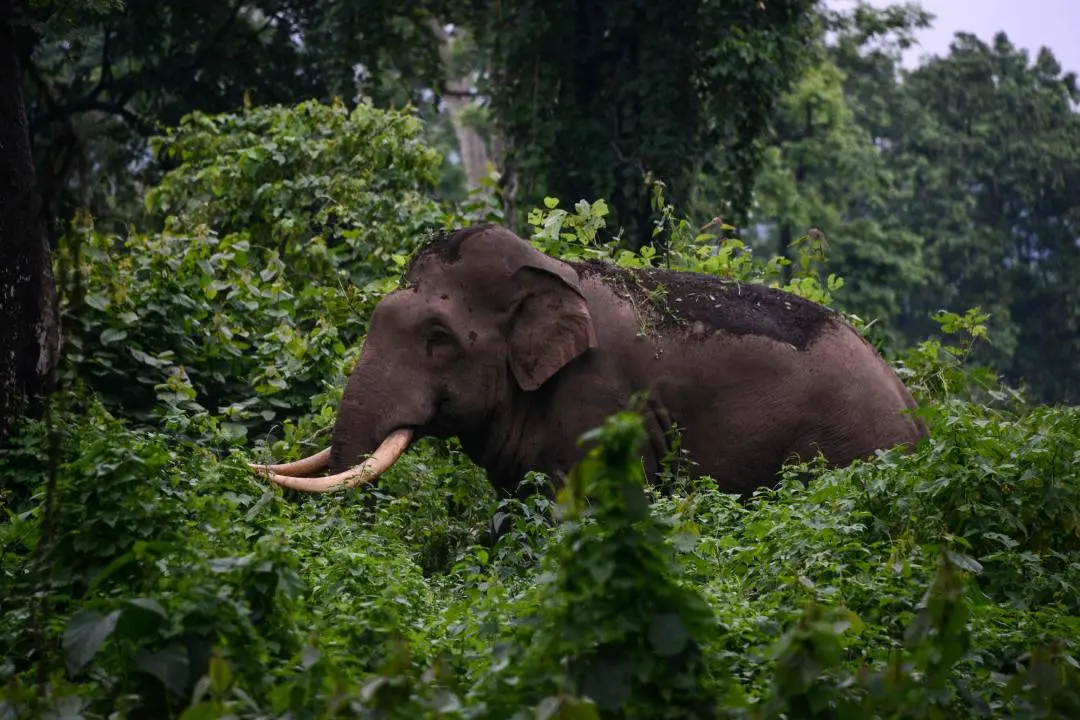
The alarming decline in Kerala's elephant population from over 3,000 to a meager 1,700 is not a result of mere migratory patterns, as the forest authorities would have us believe. This disastrous drop is a direct consequence of relentless habitat destruction, a damning reality underscored by the Comptroller and Auditor General's (CAG) latest report.
Unveiling the Truth
The CAG's 'Compliance Audit Report for the Year Ended 31 March 2022' exposes a shocking tale of negligence and incompetence. The Kerala Forests and Wildlife Department's failure to prevent the diversion of forest land for non-forestry purposes has led to the tragic shrinkage of wildlife habitats. This mismanagement has turned once-thriving ecosystems into fragmented patches, barely able to sustain their inhabitants.
Critical Lapses in Wildlife Management
The audit reveals a series of blunders that have exacerbated human-wildlife conflicts (HWC) across the state. The department's inability to secure elephant corridors, control invasive species, and ensure adequate food and water for wildlife has directly contributed to the increase in these deadly encounters.
The failure to maintain preventive structures like fences and trenches has allowed wild animals to stray into human settlements, endangering both humans and wildlife.
Inadequate and Dangerous Measures
The CAG's findings on the inadequacies of radio-collar tracking and SMS alert systems are particularly damning. These half-baked measures have left residents vulnerable, undermining their safety and well-being.
Even more distressing is the department's sluggish response in compensating HWC victims and providing proper rehabilitation support, which has only deepened the grievances of those affected.
Unplanned Development Projects: A Recipe for Disaster
The Forest Department's silence on three major projects -- the NCC airstrip near Periyar Tiger Reserve, the IIT campus in Palakkad, and the rehabilitation of landless tribals at Aralam Farm -- speaks volumes about its complicity in the ongoing habitat destruction. These projects have wreaked havoc on vital wildlife corridors, pushing elephants and other species into increasingly desperate situations.
The Grim Reality of Electric Fences
The CAG report's revelation that 223 wild animals, including 17 elephants, were electrocuted by improperly installed electric fences is a gruesome testament to the department's gross negligence. The lack of control over private electric fences and the resultant disruption of animal corridors highlight the dangerous gap between policy and practice.
Human Population Explosion: The Elephant in the Room
The root cause of these escalating human-wildlife conflicts is not just mismanagement but the exponential and uncontrolled growth of the human population. As human settlements encroach deeper into forested areas, the habitats of elephants and other wildlife are steadily being eroded. This relentless expansion has left wildlife with nowhere to go, forcing them into deadly confrontations with humans.
The Way Forward
Kerala's wildlife management strategy must confront the reality of unchecked human population growth and its devastating impact on natural habitats. The government needs to implement stringent measures to control this expansion and protect the remaining wildlife corridors. A comprehensive, well-coordinated strategy involving all stakeholders is urgently needed to safeguard both human lives and wildlife populations.
It is high time for the Kerala government to move beyond hollow excuses and take decisive action. The lives of countless elephants and other wildlife depend on it. The CAG report should serve as a wake-up call, prompting immediate and meaningful reforms in wildlife management practices.
The world is watching, and history will judge us by how we respond to this crisis. Let us not fail our majestic elephants, who have roamed these lands for millennia, by allowing them to be driven to extinction through our own inaction and incompetence.