Honouring Ganesha: A call for compassion this Ganesh Chaturthi
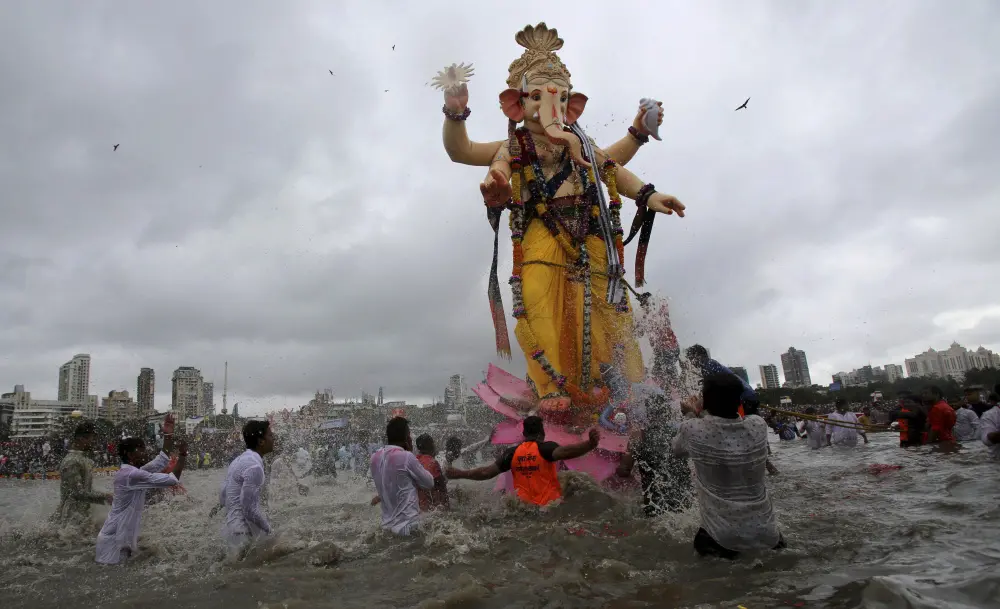
As millions across India prepare to celebrate Ganesh Chaturthi, homes and temples will echo with chants to Lord Ganesha — the remover of obstacles, the harbinger of wisdom, and the most beloved of Hindu deities. Clay idols will be adorned with flowers, offerings will pile high, and prayers will rise skyward.
But just beyond the glow of devotion lies a heartbreaking paradox: while worshippers honour Ganesha in spirit, his earthly embodiment — the elephant — suffers in silence.
For centuries, elephants have been revered in Indian culture as symbols of wisdom, prosperity, and strength. Yet this reverence coexists with unspeakable cruelty. Captive elephants used in festivals and temple rituals are often chained so tightly that iron shackles slice through their flesh. Many are forced to walk for miles on blistering asphalt, paraded under the scorching sun, deprived of food, water, and rest. Some collapse, their bodies broken long before their spirits.
How can this violence be called reverence? How can the torture of these sentient beings reflect the sacred tenets of ahimsa (non-violence) and karuna (compassion) at the heart of Hinduism?
The award-winning documentary Gods in Shackles lays bare this contradiction. Through investigative journalism and powerful storytelling, the film exposes the hidden suffering of elephants exploited in the name of culture and religion. Honoured at the United Nations General Assembly and recipient of 13 international film festival awards, Gods in Shackles reveals not only the brutality inflicted upon these gentle giants but also the hypocrisy of worshipping them as gods while enslaving them as property. The film is now streaming free on UnchainedTV.
This is not a matter of faith versus modernity. It is a matter of integrity. Faith, at its core, calls us to live by the values it proclaims. Ganesha, as the remover of obstacles, is celebrated for clearing paths and offering wisdom. Yet today, the greatest obstacle is denial — our refusal to confront the cruelty veiled as tradition.
And there is hope. Organizations such as Voices for Asian Elephants Society (VFAE) are offering cruelty-free alternatives, including life-sized robotic elephants for temple rituals. Some visionary temples have already embraced this technology, recognizing that forcing elephants into crowded, noisy festivals not only causes immense suffering but also sparks tragedies. Tormented beyond endurance, elephants — among the most tolerant and gentle of animals — sometimes run amok, leading to injuries and even deaths. In turn, they are punished with even greater brutality for “misbehaving.” By choosing robotic elephants, these temples are showing true wisdom and compassion, protecting both people and animals while preserving cherished traditions. Their leadership deserves immense praise, as they are proving that devotion and compassion can go hand in hand.
Ganesh Chaturthi is a festival of joy, renewal, and hope. It is also an opportunity to reflect. If we truly wish to honor Lord Ganesha, then our devotion must extend beyond clay idols and temple rituals. It must embrace his living counterparts — the elephants — with compassion, respect, and freedom.
This year, let devotion mean liberation. Let prayers translate into protection. And let us honor Ganesha not by enslaving his image, but by freeing his kin.
Because no god belongs in shackles.
(The author is founder of Voices for Asian Elephants)