Japan's auto giants to invest $11 billion in India: A strategic shift beyond China
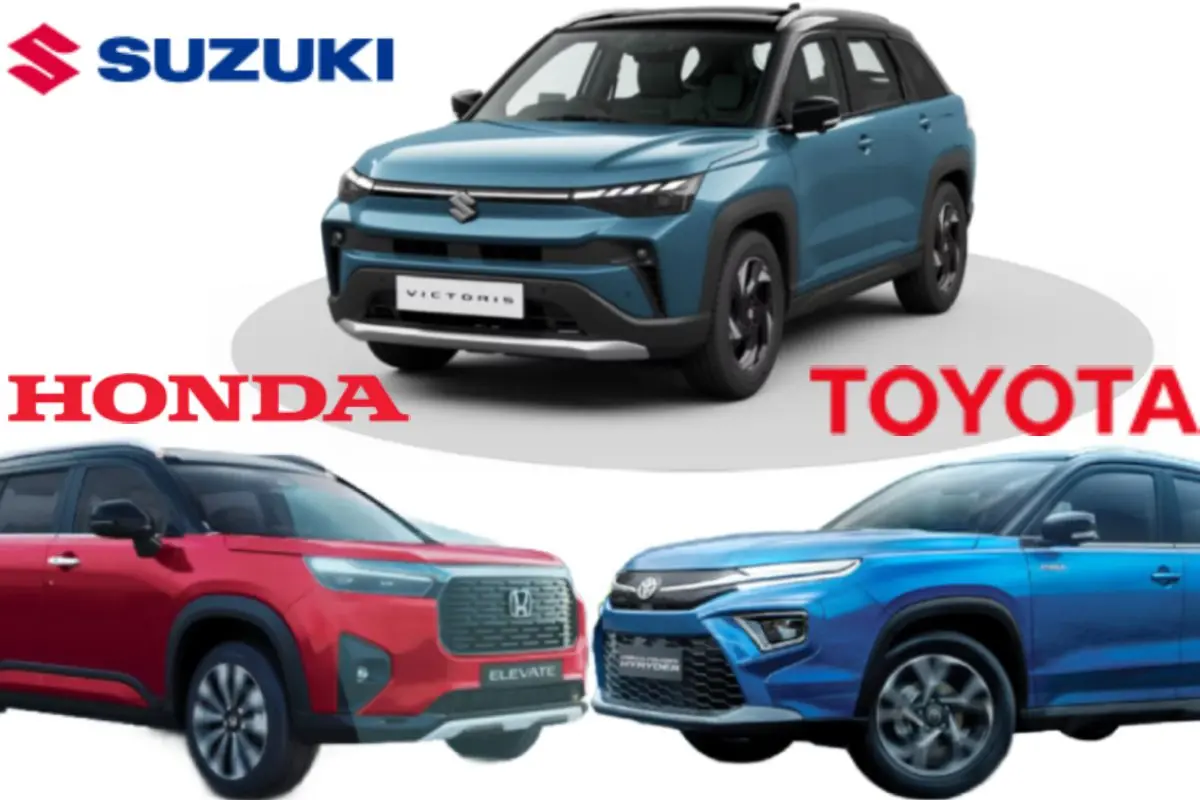
New Delhi: Japanese auto giants Toyota, Honda, and Suzuki are set to invest nearly $11 billion in India, according to various reports, in what marks one of the country’s largest-ever foreign investment drives in the automobile sector. The move underscores India’s growing importance as a global manufacturing and export hub, as automakers diversify supply chains and reduce dependence on China.
India’s mix of competitive costs, a skilled workforce, and proactive government policies is drawing unprecedented attention from Japan’s automobile industry. Suzuki, which holds around 40 per cent of India’s car market, plans to invest $8 billion to boost its annual production capacity to four million vehicles. Toyota will contribute an additional $3 billion to expand its hybrid component supply network and build a new manufacturing plant in Maharashtra.
Meanwhile, Honda has announced plans to make India an export base for its upcoming Zero Series of electric vehicles, with production expected to begin in 2027.
Strategic shift from China
Japanese investments in India’s transport sector have surged sevenfold since 2021, reaching 294 billion yen ($2 billion) last year, while investments in China have plunged by more than 80 per cent in the same period. Analysts attribute the trend to intense price wars and falling profit margins in China’s electric vehicle (EV) market.
“India offers better margins and fewer competitive pressures than China,” said Julie Boote of Pelham Smithers Associates.
Toyota and Suzuki lead the expansion
Toyota plans to introduce 15 new or updated models in India by 2030, aiming to lift its market share from 8 to 10 per cent. Its new investments will take production capacity beyond one million vehicles per year.
Suzuki, meanwhile, intends to transform India into its global production and export hub, leveraging Maruti Suzuki’s dominance in both domestic and overseas markets.
Honda’s electric push
For Honda, India has become a key pillar of its global car strategy. CEO Toshihiro Mibe said India now ranks among Honda’s top three car markets, alongside the United States and Japan.
Policy support strengthens momentum
Government initiatives under Prime Minister Narendra Modi, combined with curbs on Chinese investments, have made India an increasingly attractive destination for global automakers. India’s auto industry produced five million passenger vehicles in the last fiscal year, with exports rising 15 per cent.
Challenges ahead
Despite strong momentum, challenges persist. Domestic manufacturers such as Tata Motors and Mahindra & Mahindra are capturing a growing share of the SUV market, putting pressure on Suzuki’s dominance. However, analysts say the long-term outlook remains positive as Japanese automakers accelerate localisation and strengthen their foothold in India.
Once a secondary market, India is fast emerging as the new growth engine for Japan’s automotive industry, signalling a decisive strategic pivot away from China.